Overview
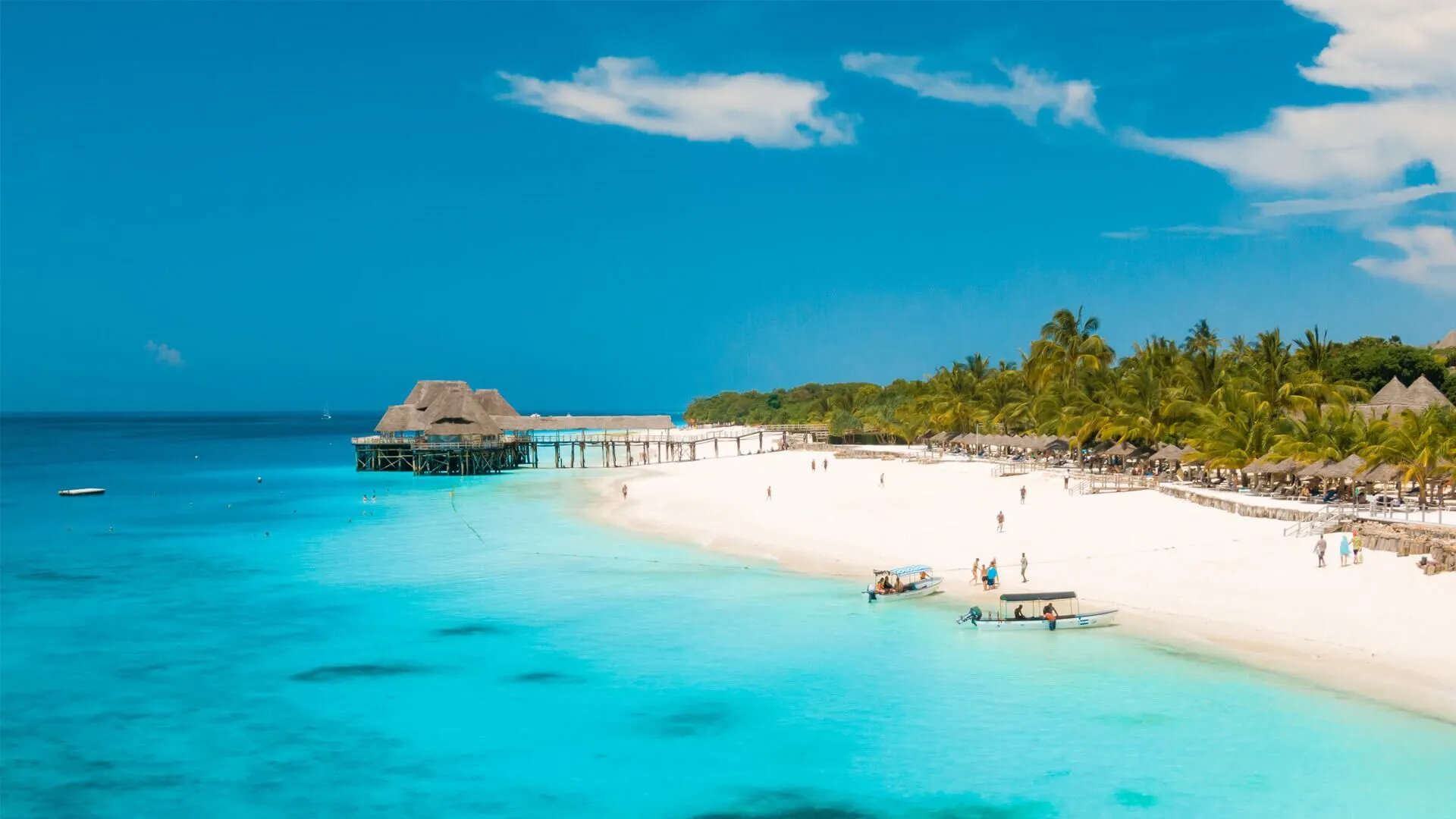
Zanzibar, an archipelago off the coast of Tanzania, has become a top destination for travelers seeking exotic beaches, rich history, and unique cultural experiences. From the spice plantations to the UNESCO-listed Stone Town, the islands offer diverse attractions that appeal to a wide range of tourists. However, before planning a trip, many travelers ask: “Is Zanzibar safe for tourists?”
This article provides a detailed guide to understanding the safety situation in Zanzibar, covering crime, health, transportation, cultural norms, and practical tips for a worry-free visit.
General Safety Overview
Zanzibar is generally considered a safe destination for tourists. Millions of visitors arrive annually, and the majority experience trouble-free vacations. The islands maintain a strong police presence, especially in tourist hotspots such as Stone Town, Nungwi, and Kendwa. However, like many tourist destinations, Zanzibar has areas where travelers should exercise caution.
The safety in Zanzibar can be categorized into several key aspects: petty crime, violent crime, health risks, natural hazards, and cultural sensitivities. Understanding each of these is crucial for a safe and enjoyable trip.
Crime in Zanzibar
Petty Crime
Petty crime is the most common concern for tourists. Incidents such as pickpocketing, bag snatching, and theft of personal items can occur, particularly in crowded areas, markets, and beaches. Tourists are often targeted because they are perceived as carrying cash or valuable items.
Tips to avoid petty crime:
- Keep passports, cash, and credit cards in a secure money belt or hotel safe.
- Avoid flashing expensive jewelry, electronics, or large amounts of cash.
- Be cautious when walking alone at night, especially in poorly lit areas.
- Use reputable tour operators and transportation services.
Violent Crime
Violent crime against tourists in Zanzibar is relatively rare. However, incidents can happen, particularly in isolated areas at night. The Zanzibar Police Force has increased patrols in tourist-heavy regions to enhance safety.
Precautionary measures:
- Avoid deserted beaches after dark.
- Refrain from walking alone in unfamiliar neighborhoods.
- Use hotel-arranged taxis rather than hailing public taxis late at night.

Health and Medical Safety
Common Health Risks
Health safety is an important aspect of traveling to Zanzibar. Tourists may encounter the following risks:
- Mosquito-borne diseases: Zanzibar is a malaria-endemic area, and dengue fever has also been reported.
- Food and water safety: Contaminated food and water can cause stomach infections or travelers’ diarrhea.
- Sun exposure: The equatorial sun is intense, increasing the risk of sunburn or heatstroke.
Health safety tips:
- Take anti-malarial medication if recommended by your doctor.
- Use insect repellent and sleep under mosquito nets.
- Drink bottled or filtered water and avoid ice from unknown sources.
- Eat at reputable restaurants and avoid raw or undercooked seafood.
- Apply sunscreen regularly and wear hats or protective clothing.
Medical Facilities
Zanzibar has a number of hospitals and clinics, mainly located in Stone Town and larger towns such as Nungwi and Paje. However, medical facilities may not match the standards of developed countries. Tourists are advised to have travel insurance that covers medical evacuation in case of serious illness or injury.
Famous Drinks in The Bahamas Guide
Transportation Safety
Road Travel
Road conditions in Zanzibar vary. Major roads connecting Stone Town to tourist resorts are generally in good condition, but some rural roads can be narrow, poorly lit, and uneven.
Road safety tips:
- Always wear seat belts in taxis or rental vehicles.
- Avoid driving at night due to limited lighting and occasional reckless drivers.
- Be cautious when riding motorcycles or scooters, as accidents are not uncommon.
Water Transport
Ferries and boats are common for traveling between islands or for day trips. Safety standards vary, and some small boats may not follow international safety regulations.
Water safety tips:
- Use reputable ferry companies with proper safety equipment.
- Ensure life jackets are available and worn when necessary.
- Avoid overcrowded boats, especially for long journeys.
Natural Hazards
While Zanzibar’s natural environment is beautiful, it poses certain risks:
- Strong ocean currents: Some beaches have strong currents and undertows, making swimming risky, particularly for inexperienced swimmers.
- Jellyfish and sea urchins: These can cause painful stings or injuries during swimming or snorkeling.
- Sun exposure and dehydration: Tourists may underestimate the heat, leading to sunburn or dehydration.
Tips for staying safe in nature:
- Swim in designated areas with lifeguards where possible.
- Wear water shoes when walking on rocky shores or reefs.
- Drink plenty of water and rest in the shade during peak sun hours.
Cultural and Social Safety
Zanzibar is predominantly Muslim, and cultural norms should be respected to ensure social safety and avoid offense.
Cultural safety tips:
- Dress modestly, especially in Stone Town and rural villages. Women should cover shoulders and knees.
- Public displays of affection are generally frowned upon.
- Alcohol consumption is accepted in resorts and bars but discouraged in public areas.
- Always ask permission before photographing locals.
By following these guidelines, tourists can maintain respectful interactions and reduce the risk of misunderstandings or conflict.
Political and Terrorism Considerations
Zanzibar is politically stable but has experienced occasional protests and demonstrations. These are usually peaceful, but tourists should avoid large gatherings and follow local news for updates.
Terrorism risk in Zanzibar is considered low. However, travelers should remain vigilant in crowded tourist areas, airports, and ports. Following common-sense precautions, such as staying alert and keeping personal belongings secure, is recommended.
Emergency Contacts in Zanzibar
It is essential for tourists to have access to emergency contacts:
- Police: 112 or 115
- Tourist Police: +255 24 223 3222
- Hospitals: Mnazi Mmoja Hospital, Zanzibar City; Apollo Zanzibar Hospital, Stone Town
- Travel Insurance Hotline: Contact your provider
Knowing these contacts ensures rapid assistance in case of medical, legal, or personal emergencies.
Practical Safety Tips for Tourists
- Stay in reputable accommodations: Hotels and resorts catering to tourists have better security measures.
- Avoid walking alone at night: Especially in poorly lit areas or quiet streets of Stone Town.
- Use registered taxis and tour operators: They are generally safer and more reliable.
- Keep digital backups: Scan passports, visas, and important documents.
- Blend in: Avoid drawing attention as a foreign tourist with flashy clothing or electronics.
- Learn basic Swahili phrases: Polite greetings and phrases can help in emergencies and improve interactions with locals.
Conclusion
So, is Zanzibar safe for tourists? The answer is yes, provided travelers exercise common sense, respect local customs, and take basic precautions. Petty crime and health risks exist but are manageable with proper planning. By staying in secure accommodations, using reputable transportation, and respecting cultural norms, tourists can enjoy the breathtaking beaches, historical sites, and vibrant culture of Zanzibar with minimal risk.
Ultimately, Zanzibar offers a rewarding experience for those who travel prepared. With its unique blend of natural beauty, cultural richness, and warm hospitality, the archipelago remains a safe and captivating destination for tourists from around the world.